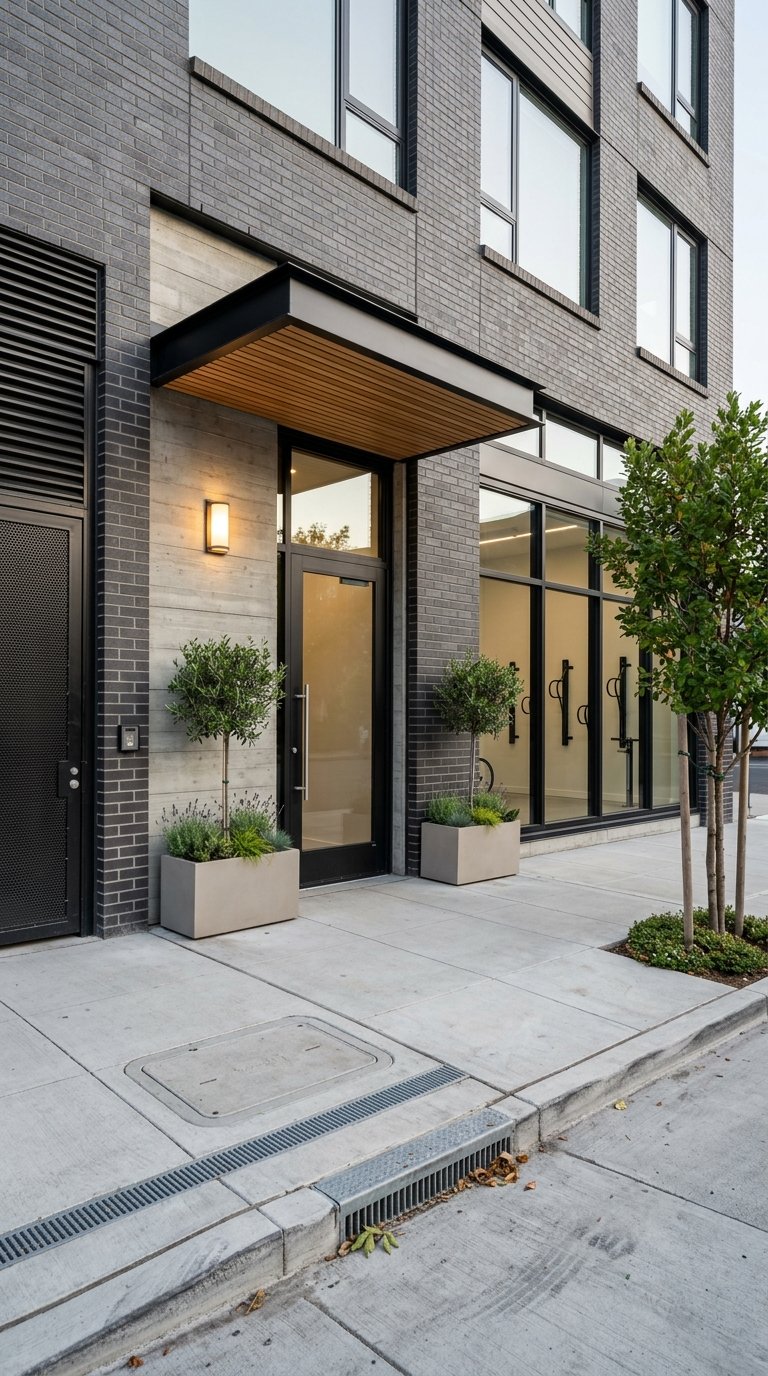
How To Choose The Right South Beach Condo Building
June 4, 2026
June 4, 2026
Buying in South Beach is rarely just about square footage or a view. When you compare condo buildings here, you are really comparing lifestyle, service level, monthly costs, commute patterns, and how a building fits into a waterfront neighborhood that continues to evolve. If you want to make a smart choice, it helps to know what matters most before you fall in love with a lobby or a skyline. Let’s dive in.
South Beach is part of San Francisco’s Northeastern Waterfront, a mixed-use district shaped by the Bay, the Embarcadero, and its historic port setting. That means your building choice affects not only how you live at home, but also how you move through a very urban, water-oriented neighborhood.
Before you compare buildings, get clear on your daily routine. If you care most about a full-service experience, one building may stand out. If you want easier access to transit, parks, or waterfront walking routes, another may be a better fit even if the amenities are simpler.
A good first question is this: What are you really paying for? In South Beach, that answer often comes down to a blend of amenities, management, location, and long-term building fundamentals.
Two South Beach condo buildings can feel completely different even if they are only a few blocks apart. Some focus on high-service living with concierge support, staffed lobbies, fitness centers, pools, and resident lounges. Others offer a more streamlined setup with fewer shared spaces and potentially lower overhead.
For example, The Brannan advertises a pool and spa, cabana, full kitchen and grill, fitness center, lobby attendants, and concierge. The Infinity highlights concierge service, a 5,000-square-foot fitness center, a 75-foot lap pool, a theater, a club lounge, a restaurant, and deeded parking.
That kind of amenity package can be attractive, but it also comes with tradeoffs. More amenities usually mean more common-area maintenance and often higher HOA dues. The key is to ask yourself whether you will truly use what you are paying for.
If you travel often, work long hours, or want a more hands-off living experience, a full-service building may be worth the cost. Concierge support, attended lobbies, and well-maintained shared spaces can add real convenience to daily life.
If you prefer a simpler ownership experience, a less amenity-heavy building may be the better value. You may give up a theater room or a resort-style pool, but gain lower monthly costs and a more straightforward operating structure.
In California, buying a condo means buying into a homeowners association. The California Department of Real Estate explains that condo associations govern common-interest developments, membership is automatic when you buy, and the CC&Rs set many of the rules around duties, insurance, and architectural control.
That makes HOA review one of the most important parts of your decision. There is no shortcut here. A beautiful building with weak financial planning or unresolved maintenance issues can become much more expensive over time.
As a buyer, you should ask for key HOA records early in your review. Under California Civil Code, members can inspect association records such as budgets, reserve account records, contracts, and board minutes.
Your checklist should include:
These documents can tell you a lot about how the building is run. You are looking for signs of consistent planning, clear communication, and realistic budgeting.
Reserve planning laws in California require qualifying communities to visually inspect major components at least every three years and prepare a funding plan that looks ahead 30 years. In plain terms, reserves are the funds set aside for major future repairs and replacements.
This matters in South Beach because some buildings offer extensive amenities and complex systems that cost more to maintain. A building with strong amenities but weak reserves may carry more risk than a simpler building with disciplined financial management.
Parking in South Beach should never be treated as a casual detail. It needs to be confirmed as a legal right tied to the property or the governing documents, not just described loosely during a tour.
The California Department of Real Estate notes that parking may be structured as exclusive-use common area, and those rights are typically found in the deed or HOA documents. In practice, that means you need to verify exactly what you are getting.
When comparing South Beach buildings, ask whether parking is:
You should also ask whether guest parking is practical and whether EV charging is available. These details can have a major impact on convenience, resale appeal, and ongoing costs.
The Infinity, for example, offers deeded subterranean parking. In the broader South Beach and Rincon Hill area, One Rincon Hill represents a different scale, with a large onsite garage and valet-managed parking model. Those differences can shape both daily living and monthly expenses.
Private outdoor space can be a real advantage in a dense urban neighborhood, but you need to understand how that space is legally defined. In California condos, balconies, terraces, yards, and similar spaces may be exclusive-use common area rather than fully separate private property.
That distinction matters because different use rules and maintenance responsibilities may apply. A large terrace may look like a major selling point, but the governing documents will tell you what you can actually do with it.
South Beach also offers strong public outdoor amenities, which can change how much private outdoor space you truly need. South Beach Harbor Park includes Bay Trail frontage, a 42,000-square-foot lawn, and a playground. Brannan Street Wharf Park offers a raised lawn, waterfront seating, picnic tables, and other public open space.
If a building has limited private outdoor amenities, nearby parks and waterfront access may help balance that out. On the other hand, if you want outdoor space attached directly to your home, be sure the rights and restrictions are clear.
A South Beach address may look convenient on a map, but your actual walking route matters more than the pin. If you rely on transit, small differences in location can affect your day in a big way.
Embarcadero BART connects near the Ferry Building and Salesforce Transit Center, with links to Muni and the cable car, though the station itself has no parking. SFMTA’s active N Judah route serves stops including The Embarcadero & Brannan, King & 2nd, and King & 4th near Caltrain. Ferry service also operates from gates behind the Ferry Building.
When you tour buildings, measure the real walking time to the places you use most. That may include:
The right building is often the one that fits your real routine, not the one with the flashiest marketing.
In South Beach, waterfront living comes with both benefits and responsibilities. The neighborhood offers Bay access, parks, and open views, but it is also part of a shoreline area where long-term resilience planning matters.
The Port of San Francisco’s South Beach Coastal Resilience Project will upgrade the Embarcadero between Harrison and Townsend with an earthquake-stable seawall and wharves, along with a more resilient promenade. SF Planning’s Shoreline Adaptation Plan also provides the citywide framework for sea-level-rise and flooding response.
If you are comparing buildings near the waterfront, ask how nearby resilience or infrastructure work could affect:
This does not mean you should avoid the area. It means you should evaluate both present-day enjoyment and long-term context.
It can help to think in terms of building patterns rather than chasing a single perfect property. South Beach includes several styles of condo living, and each appeals to a different type of buyer.
The Brannan is a strong example of a high-service waterfront tower model, where concierge support and broad amenities are central to the ownership experience. The Infinity is a useful example of an amenity-dense tower where buyers should weigh lifestyle benefits against dues and parking logistics.
For those looking beyond the immediate waterfront into the broader South Beach and Rincon Hill corridor, One Rincon Hill shows how building scale and parking can shift the ownership experience. In other words, your decision is not just about one address. It is about what kind of building life suits you best.
If you want to narrow your options with confidence, use this framework:
This process helps you choose based on fit, not just first impressions.
Choosing the right South Beach condo building takes more than comparing finishes and amenities. You are choosing a building ecosystem, a waterfront setting, and a style of daily life. With the right questions and careful document review, you can find a condo that supports both your lifestyle now and your long-term goals. If you want clear, building-by-building guidance in South Beach, Leslie Bauer can help you compare the details that matter.
Stay up to date on the latest real estate trends.

Homeownership
Home Buying

Home Selling
With deep expertise in both high-rise living and single-family homes throughout San Francisco and the Peninsula, our team brings a sharp eye for detail and a thoughtful, data-driven approach—helping you navigate the market with clarity, uncover opportunities others miss, and secure the right property with confidence.
HIGHRISES2HOMES
[email protected]
(415) 205-3899
LESLIE BAUER | CA DRE# 01800943
SIDE, INC. | CA DRE# 02014153
629 DIVISADERO ST SAN FRANCISCO, CA 94117