Living On Potrero Hill: Views, Vibe, And Everyday Life
June 11, 2026
June 11, 2026
If you are looking for a San Francisco neighborhood that feels residential without feeling disconnected, Potrero Hill tends to stand out fast. You get big views, a sunnier microclimate than many parts of the city, and a daily rhythm that feels more lived-in than hurried. For buyers trying to picture real life here, this guide will walk you through the setting, housing, transit, parks, and neighborhood feel so you can decide whether Potrero Hill matches the way you want to live. Let’s dive in.
Potrero Hill has a distinct identity within San Francisco. City planning materials describe it as part of the broader Showplace Square/Potrero Hill area, with a mix of historic brick buildings, tree-lined streets, strong views, and neighborhood-serving commercial pockets.
That combination matters when you are comparing neighborhoods. Potrero Hill can feel more residential and less tower-heavy than downtown areas, yet it still offers solid city access through Muni and connections near the 16th Street corridor. If you want a neighborhood with character and a more relaxed visual pace, that balance is a big part of the appeal.
One of the first things people notice about Potrero Hill is the light. Official planning records describe the area as a primarily residential neighborhood with panoramic views of downtown, Twin Peaks, Bayview Hill, Mt. San Bruno, the Bay, and the East Bay hills.
The neighborhood is also known for getting more sun than many other parts of San Francisco. San Francisco Travel highlights its often-sunny skies, and the local community garden notes a sunny Mediterranean climate that supports fruits, vegetables, and ornamentals. In everyday terms, that can shape everything from your morning walk to how often you actually use your outdoor space.
Potrero Hill often appeals to buyers who want a true neighborhood feel. The commercial activity is centered more around local-serving streets than around a large shopping district, which can make daily routines feel more personal and manageable.
San Francisco Travel points to 18th Street as the neighborhood core, with indie boutiques, diverse eateries, brunch spots, and Farley’s Coffee as a community hangout. City planning materials also identify neighborhood-commercial areas around 18th and 20th Streets, which supports the idea that the retail scene here is walkable and local rather than oversized.
For many buyers, the practical side of a neighborhood matters just as much as the atmosphere. Potrero Hill offers a strong lineup of public spaces that support daily life, whether you want a playground, dog area, tennis courts, or a simple place to sit outside.
The Potrero Hill Recreation Center includes a playground, baseball field, basketball court, dog play area, ball fields, two lighted tennis courts, picnic tables, and BBQ grills. Jackson Playground adds a sand-floor playground, bocce, basketball, tennis, a picnic area, and community rooms. Utah & 18th Mini Park offers a smaller landscaped plaza with views and local history.
There is also an active, resident-run community garden. That speaks to a hands-on neighborhood culture where public space is part of daily life, not just a backdrop.
Potrero Hill has visible civic roots, and that can shape how a neighborhood feels over time. Long-running institutions give the area a sense of continuity that many buyers notice when they spend time here.
The Potrero Hill Neighborhood House, often called The Nabe, was founded in 1907 and still operates as a community center focused on community advocacy, youth development, and food security. Potrero Boosters is approaching its 100-year anniversary in 2026 and describes its work around livable streets, open space, and responsible development.
The neighborhood also has its own long-running local newspaper. Potrero View has served Potrero Hill, Dogpatch, Mission Bay, and SoMa since 1970, which reflects an active local conversation around neighborhood life, change, and culture.
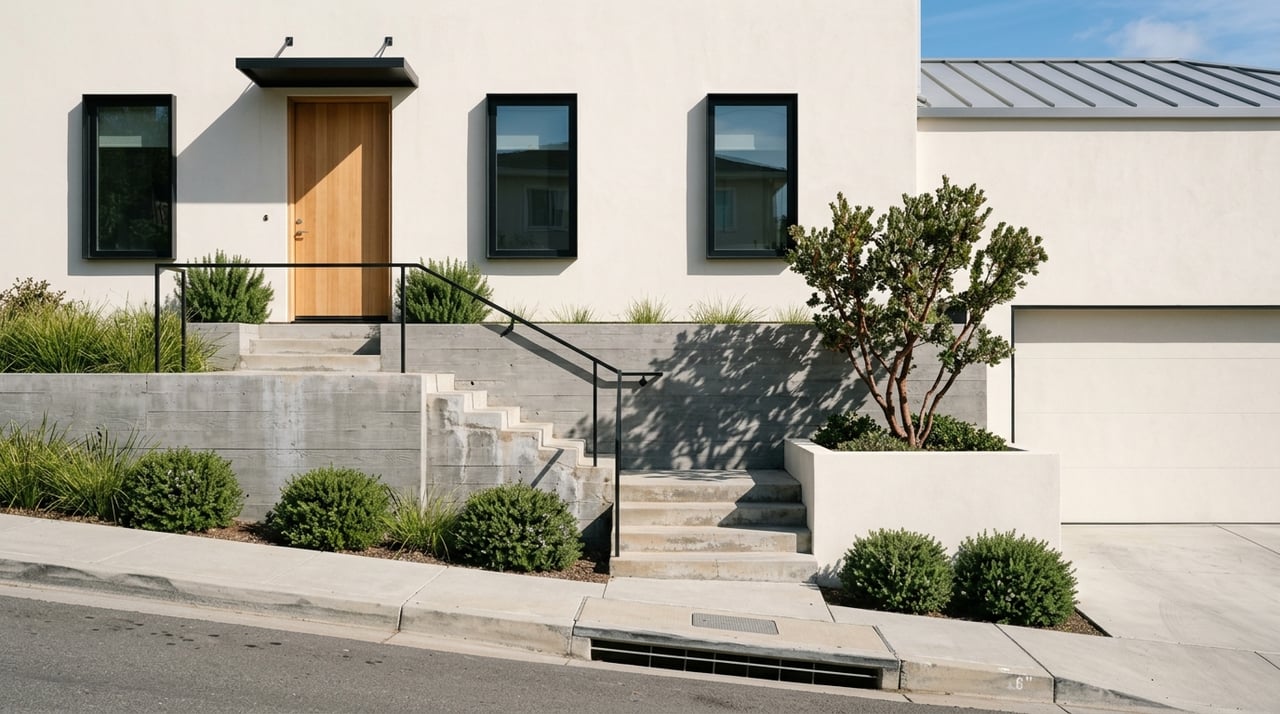
Potrero Hill is not a one-note housing market. Planning records describe a mix of single-family residences and small multiple-family units, and buyers today will also encounter condos and multifamily properties in practical home searches.
That range is useful if you are trying to match a home to a life stage. Some buyers are drawn to classic residential homes on the hill, while others are focused on condos or smaller multi-unit opportunities that can offer a different entry point or investment angle.
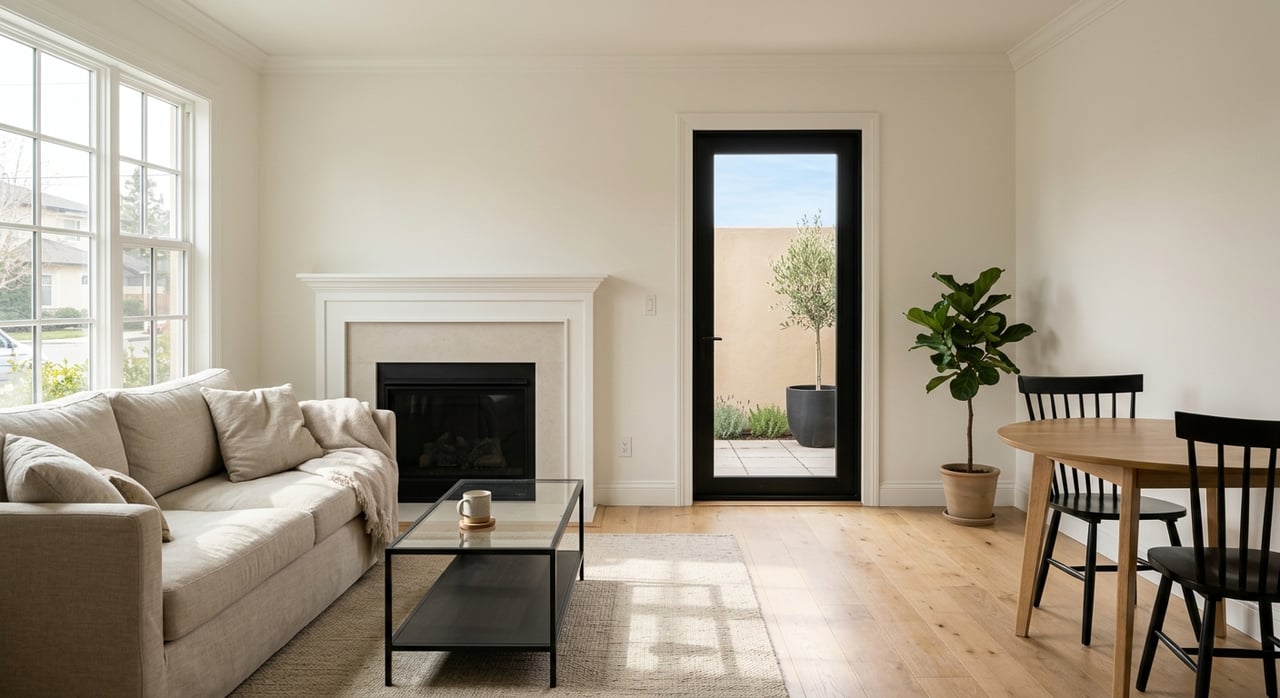
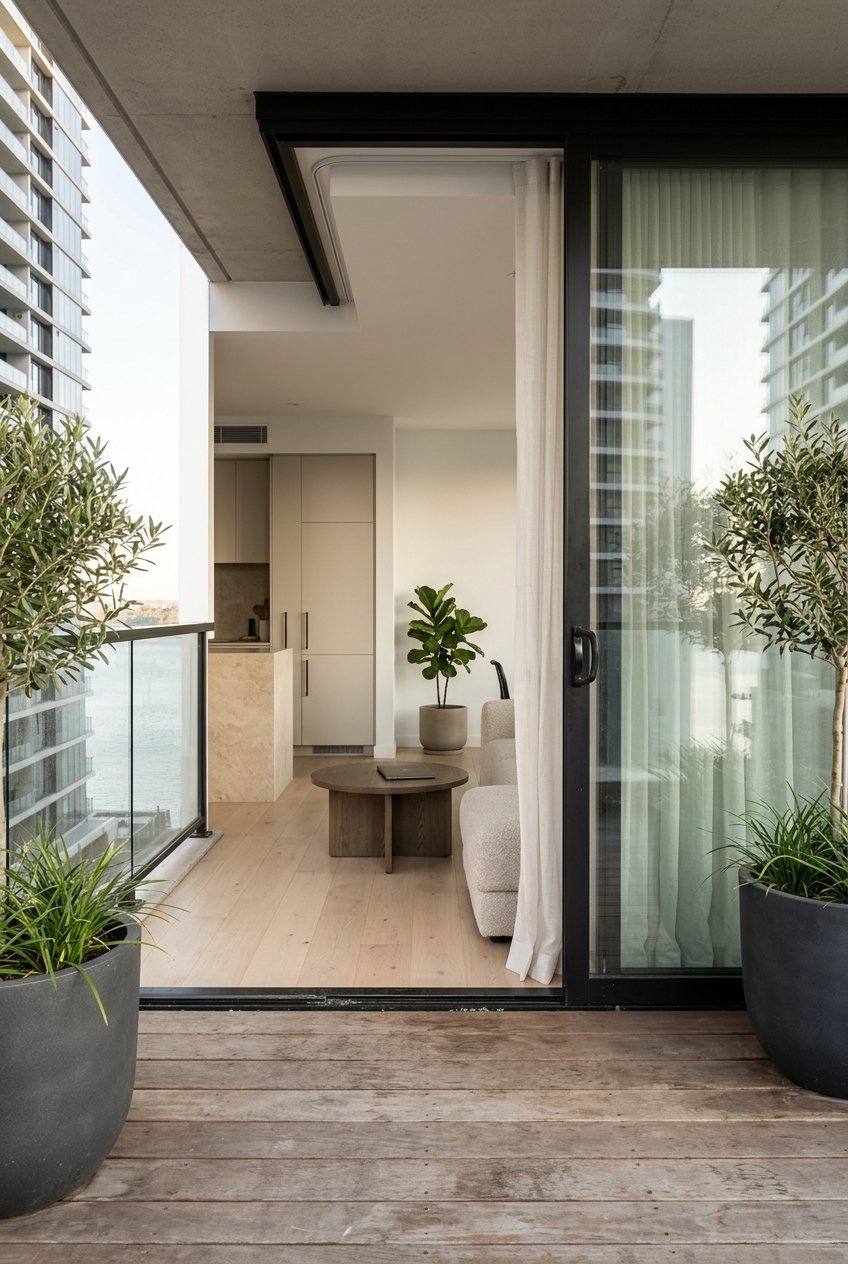
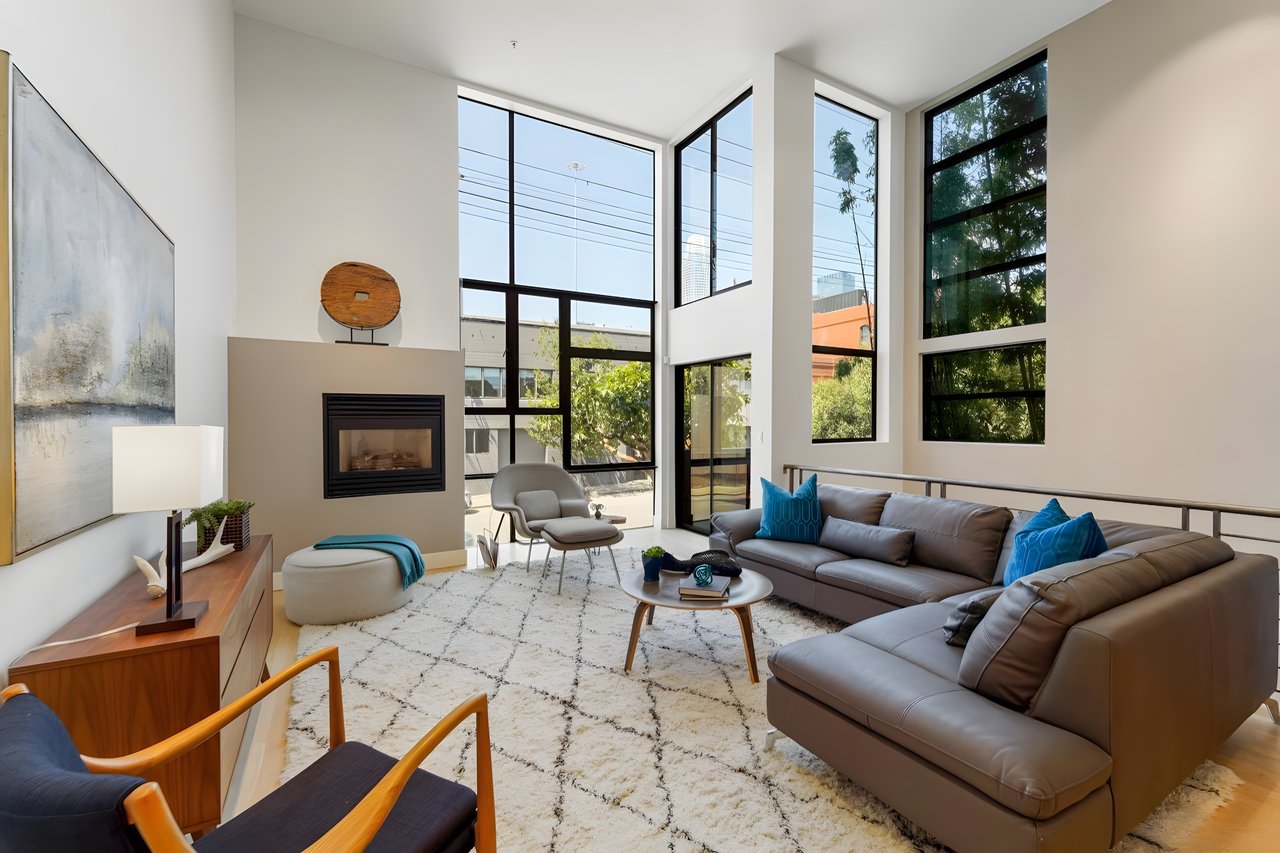
For clients who are used to high-rise living, Potrero Hill can feel like a meaningful shift in housing style. You still stay close to the city, but the built form is generally more varied and residential in feel than a downtown condo district.
One of the most important things to understand about Potrero Hill is that the neighborhood edge is evolving. The core identity remains residential, but nearby redevelopment is adding new layers of housing, open space, and mixed-use activity.
Potrero HOPE SF is planned to deliver about 1,700 homes, 3.5 acres of open space, and local retail and community space. Potrero Power Station is expected to add homes, office and lab space, retail, arts-related uses, community facilities, and nearly 7 acres of open space.
For buyers, this means Potrero Hill is not frozen in time. You have a neighborhood with established residential character, while adjacent areas continue to develop in ways that may influence convenience, activity, and the broader feel of the district over time.
Transit matters more here than many first-time visitors expect. SFMTA notes that steep grades shape the area, which helps explain why route access is such a practical part of living in Potrero Hill.
The neighborhood is served by the T Third Street line, 9 San Bruno, 10 Townsend, 22 Fillmore, 33 Ashbury/18th Street, 55 Dogpatch, and other routes. SFMTA also notes that the 55 Dogpatch service was created to preserve connections between 16th Street Mission BART, Potrero Hill, and Dogpatch.
If you are deciding between neighborhoods, this is worth paying attention to. Potrero Hill can offer a quieter residential feel, but it still stays connected through a transit network built around the realities of the terrain.
Potrero Hill is not trying to be the loudest dining district in San Francisco, and that is part of its charm. The restaurant and café scene is more neighborhood-centered, which often fits buyers looking for everyday convenience over constant bustle.
There is also a creative layer to the area. Planning materials describe Showplace Square/Potrero Hill as a place with historic brick buildings and a vibrant cluster of design-related businesses.
That creative identity shows up in local institutions too. Creativity Explored operates a second studio in Potrero Hill with arts exploration, exhibitions, and youth programming, while The Nabe remains a landmark with public programs and event space. Together, those elements help Potrero Hill feel grounded, useful, and culturally alive.
Potrero Hill tends to attract buyers who want city living with a more residential rhythm. If you like the idea of neighborhood streets, local businesses, open views, and practical transit access, it often checks a lot of boxes.
It can also make sense if you are moving from a high-rise condo and want something with a different pace, or if you are comparing home types across San Francisco and trying to balance access with atmosphere. Because the housing stock is varied, buyers can often explore multiple property types without leaving the neighborhood conversation.
Like any San Francisco neighborhood, Potrero Hill works best when your daily habits line up with the setting. The views and hilltop feel are part of the draw, but the steep streets are real, and block-by-block differences can matter.
It also helps to think carefully about where you want to be relative to the residential core, transit lines, parks, and changing mixed-use edges. In a neighborhood with both established charm and ongoing growth nearby, the right fit often comes down to the exact pocket and property type.
If you are weighing Potrero Hill against a downtown condo district, Dogpatch, Mission Bay, or another part of San Francisco, product matching is everything. The right home here is not just about square footage. It is about whether the neighborhood’s light, layout, and lifestyle match how you want to live day to day.
If you are considering a move to Potrero Hill or comparing it with other San Francisco neighborhoods, Leslie Bauer can help you sort through the housing types, location nuances, and next-step strategy with clear, practical guidance.
Stay up to date on the latest real estate trends.
With deep expertise in both high-rise living and single-family homes throughout San Francisco and the Peninsula, our team brings a sharp eye for detail and a thoughtful, data-driven approach—helping you navigate the market with clarity, uncover opportunities others miss, and secure the right property with confidence.
HIGHRISES2HOMES
[email protected]
(415) 205-3899
LESLIE BAUER | CA DRE# 01800943
SIDE, INC. | CA DRE# 02014153
629 DIVISADERO ST SAN FRANCISCO, CA 94117