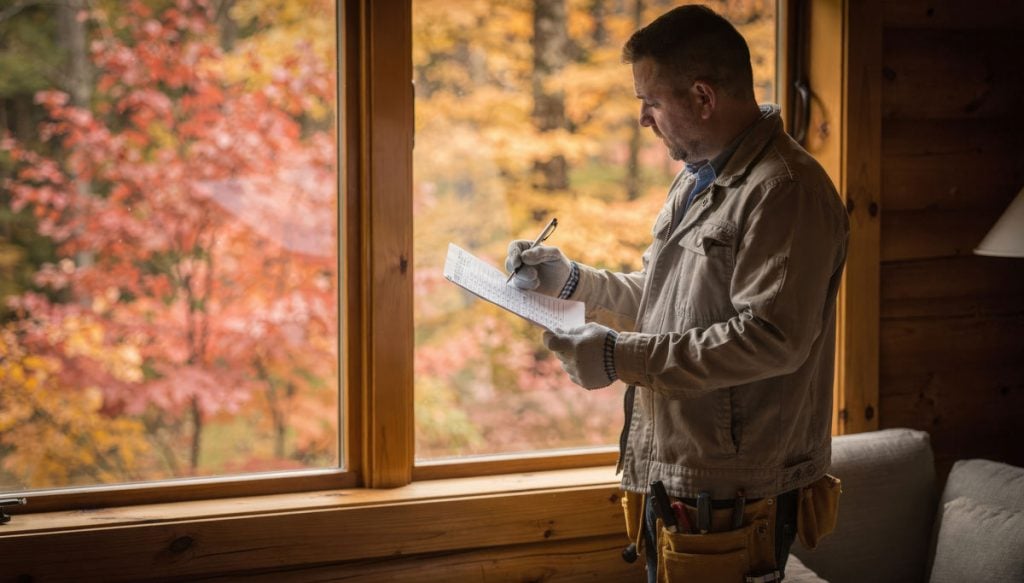
Autumn Home Prep: 7 Essential Things to Check Before Cooler Weather
Home Maintenance September 14, 2026
Home Maintenance September 14, 2026
Autumn is a great time to give your home a seasonal checkup before cooler weather settles in. A little preventive maintenance now can help improve comfort, reduce energy waste, protect major systems, and catch small problems before they turn into costly repairs.
You don't have to tackle everything in one weekend. Work through these seven areas based on your home's age, condition, and climate.
Gutters and downspouts help direct rainwater away from your roof, siding, and foundation. Leaves and debris can block that flow and cause water to overflow where you don't want it.
Clean the gutters and downspouts, then look for sagging sections, cracks, rust, or loose connections. Make sure downspouts direct water away from the foundation.
If your property has mature trees, you may need to check the gutters more than once throughout the season. And if the roofline is difficult or unsafe to access, it's best to hire a professional.
Before the weather gets wetter and windier, take a look at the exterior of your home.
From the ground, check for missing or damaged shingles, damaged flashing around roof edges and vents, peeling paint, siding damage, and gaps around exterior openings.
It's also a good time to inspect decks, stairs, railings, and walkways for loose boards, damaged surfaces, or uneven areas.
You don't need to diagnose problems yourself. The goal is simply to spot anything that may need attention from a qualified professional.
Your heating system will become more important as temperatures fall, so make sure it's ready before you need it every day.
Clean or replace the air filter according to the manufacturer's recommendations. Check your thermostat and pay attention to unusual noises or uneven heating when the system runs.
If your system hasn't been serviced recently, consider scheduling a professional inspection. Depending on the system, this may include checking its components, ventilation, electrical connections, safety controls, and overall performance.
If you have a fireplace or wood-burning stove, don't forget to have the chimney inspected and cleaned when appropriate. Creosote, a residue created by burning wood, can build up inside a chimney and increase fire risk.
Small gaps around windows and doors can make your home feel less comfortable and allow heated or cooled air to escape.
Check for cracked caulk, worn weatherstripping, and visible gaps around frames. Caulk is generally used to seal stationary joints, while weatherstripping helps seal areas around moving parts such as doors and windows.
Also check less obvious areas, including attic access panels, exterior-wall outlets, pet doors, and openings around utility lines.
Taking care of these small gaps can improve comfort without requiring a major renovation.
In areas where freezing temperatures are possible, autumn is a good time to prepare exposed plumbing.
Disconnect and drain garden hoses and store them in a protected location. If your home has a shutoff valve for exterior faucets, close it and drain the line as recommended.
Check exposed pipes in unheated garages, crawl spaces, basements, and utility areas. Pipe insulation can provide additional protection where appropriate.
It's also helpful to locate your home's main water shutoff valve before an emergency happens. Knowing where it is can save valuable time if a pipe ever leaks or bursts.
For San Francisco and much of the Peninsula, freezing conditions are less common than in colder parts of the country, but checking outdoor plumbing and exposed pipes is still worthwhile—especially in areas that experience occasional cold snaps.
Seasonal maintenance should always include a safety check.
Test your smoke and carbon monoxide alarms and replace batteries as needed. Carbon monoxide is a colorless, odorless gas that can come from fuel-burning appliances, fireplaces, and heating equipment.
Check your fire extinguishers and make sure they're accessible and in good condition. Review your household's emergency exits and make sure everyone knows where to go in case of an emergency.
If you use portable space heaters, inspect their cords and plugs before use. Keep them away from curtains, bedding, furniture, and other materials that could catch fire.
Your outdoor areas deserve attention, too.
Remove dead or damaged branches that could become hazards during strong winds or storms. If large branches are near your home, driveway, or utility lines, have them handled by a qualified tree professional.
Clear leaves and debris from drains, walkways, and areas around the foundation. Clean and store outdoor equipment according to the manufacturer's instructions.
If you live in a colder climate, make sure items such as snow shovels, ice melt, and other winter supplies are ready before you need them.
For irrigation systems, follow the appropriate seasonal maintenance or winterization steps for your local climate. In colder areas, water left in the system can freeze and damage pipes or sprinkler components.
Autumn maintenance doesn't have to mean taking on a long list of projects all at once. Start with the areas that protect your home most: water, heating, plumbing, and safety.
Then take care of smaller maintenance items based on your home's age, location, design, and condition. Older homes may require closer attention, while newer properties may need only routine checks.
A simple seasonal routine can help you catch problems earlier, keep your home more comfortable, and stay ahead of maintenance throughout the year.
A little preparation now can make for a more comfortable and worry-free season ahead.
Stay up to date on the latest real estate trends.

Home Maintenance


Home Selling


Home Improvement

Homeownership
With deep expertise in both high-rise living and single-family homes throughout San Francisco and the Peninsula, our team brings a sharp eye for detail and a thoughtful, data-driven approach—helping you navigate the market with clarity, uncover opportunities others miss, and secure the right property with confidence.

HIGHRISES2HOMES
[email protected]
(415) 205-3899
LESLIE BAUER | CA DRE# 01800943
SIDE, INC. | CA DRE# 02014153
629 DIVISADERO ST SAN FRANCISCO, CA 94117