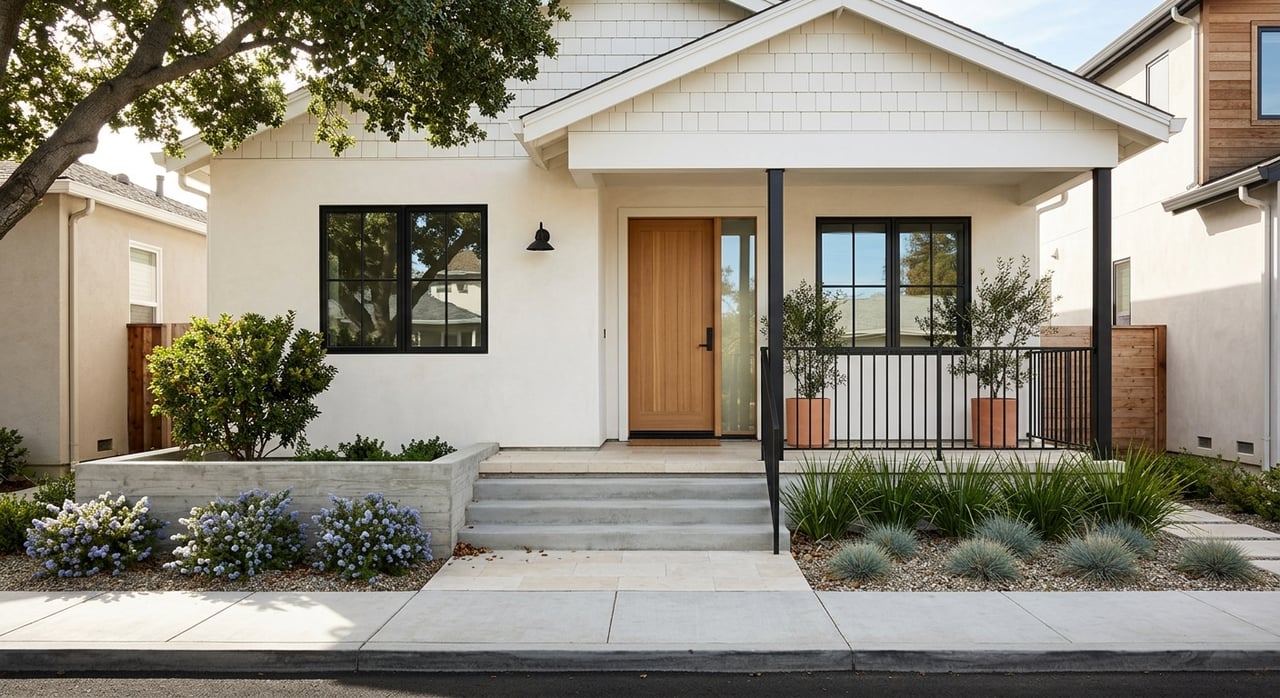
Car-Light Living In Glen Park: Homes Near Transit And Trails
July 2, 2026
July 2, 2026
Wondering if you can live in San Francisco without leaning on your car every day? Glen Park stands out for exactly that reason. If you want a neighborhood where transit, local shops, and trail access can all fit into your daily routine, this guide will help you understand why Glen Park keeps landing on buyers’ short lists. Let’s dive in.
Glen Park is officially described by San Francisco Planning as a village or downtown centered on Diamond and Chenery Streets and the nearby BART station. That village feel matters because it supports the kind of daily rhythm many buyers want: errands on foot, transit close by, and neighborhood destinations that do not require a long drive.
Planning materials also highlight Glen Park’s walkability, transit orientation, and connection to nature. At the same time, they note the neighborhood’s direct access to I-280. That balance is part of the real appeal here. You can organize much of your day around walking and transit, while still having freeway access when you need it.
Glen Park’s transportation network is one of its biggest strengths. San Francisco Planning identifies the neighborhood as a major transportation interchange where bus lines, freeway access, and BART converge. For buyers who want flexibility, that can make day-to-day life feel much easier.
Glen Park Station is located at 2901 Diamond Street, right at the center of the neighborhood on the corner of Diamond and Bosworth. BART says the station is served by four lines, which gives you a strong regional connection compared with many other San Francisco neighborhoods.
The station also includes bike racks, 12 on-demand BikeLink lockers, and a BayWheels station on the upper plaza at Bosworth and Diamond. Those details may seem small, but they can make a real difference if you are trying to reduce how often you drive.
In addition to BART, Glen Park is served by a wide range of Muni routes. SFMTA lists J Church, 14 Mission, 14R Mission Rapid, 23 Monterey, 24 Divisadero, 35 Eureka, 36 Teresita, 44 O’Shaughnessy, 49 Van Ness/Mission, and 52 Excelsior in the neighborhood.
The J Church stop at San Jose Ave/Glen Park Station is especially useful because it adds a rail connection to the mix. If you are comparing San Francisco neighborhoods for a car-light lifestyle, that layered transit access is a real point in Glen Park’s favor.
San Francisco Planning found that more than 9,000 riders used Glen Park BART each day, and about 75% arrived by walking or public transit. More than half of riders walked to the station. Those numbers help confirm that Glen Park is not just transit-served on paper. People actually use it that way.
For a buyer, that often translates into a neighborhood where it feels normal to walk to the station, pick up something in the commercial core, and continue on with your day without getting in the car first.
It is important to set realistic expectations. Glen Park is very transit-friendly, but it is not a place where cars disappear from the streetscape.
The community plan notes that rush hour can be busy because cars, buses, and pedestrians are all moving through the area at once. Planning documents specifically point to congestion, parking concerns, and pedestrian safety conflicts around Diamond and Bosworth and near the Bosworth, Arlington, and I-280 on-ramp area.
That means Glen Park is best understood as car-light rather than car-free. For many buyers, that is actually the sweet spot. You may be able to drive less often while still keeping access to a car when your schedule, work, or weekend plans call for it.
The housing pattern in Glen Park supports the neighborhood’s walkable character. In the Glen Park Neighborhood Commercial Transit district, the Planning Code describes a mixed-use area with mostly two- and three-story buildings, neighborhood-serving retail on lower floors, and housing or offices above.
This district runs mainly along Diamond Street from Chenery to Monterey Boulevard and along Chenery from Thor Avenue to Castro Street, with nearby portions of Wilder Street, Bosworth Street, Joost Avenue, and Monterey Boulevard included as well. If you are looking for proximity to BART, shops, and daily conveniences, this area is a natural place to focus.
One of Glen Park’s defining traits is its intimate scale. City planning materials describe smaller buildings and a fine-grained pattern in the village interior, which helps create a comfortable pedestrian environment.
Outside the commercial core, residential zoning is expected to remain largely intact. In practical terms, that means Glen Park tends to feel more established and less shaped by broad redevelopment. Buyers who prefer a neighborhood with context-sensitive change often respond well to that.
A notable policy detail in the district code is that accessory parking is not required because of the area’s accessibility to the transit network. That is a strong official signal about how this part of Glen Park is meant to function.
For buyers, it also helps frame the housing search. If your priority is being close to transit and daily amenities, Glen Park offers a neighborhood where walkability and access can matter more than a parking-first layout.
One of Glen Park’s biggest advantages is that transit access and outdoor access exist side by side. That combination is hard to find, and it gives the neighborhood a very distinct rhythm.
Glen Canyon Park is a 66.6-acre recreation area in the Glen Park District. According to San Francisco Recreation & Parks, it offers an extensive trail network, dramatic rock formations, spring wildflowers, and Islais Creek, one of the few remaining free-flowing creeks in San Francisco.
The park also includes athletic fields, a playground, tennis courts, restrooms, and trails. If you want green space to feel like part of everyday life rather than a special trip, Glen Park makes that easier.
The Creeks to Peaks Trail adds another layer of appeal. San Francisco Recreation & Parks describes it as a 1.8-mile moderate-to-strenuous route connecting Glen Canyon’s Islais Creek to Twin Peaks.
For buyers, that means you can enjoy a compact village center and still be close to a more natural setting without leaving the city. It is one of the clearest examples of why Glen Park feels different from neighborhoods that offer transit but not much trail access.
The Glen Park Recreation Center rounds out the neighborhood amenity mix. San Francisco Recreation & Parks says the center reopened in 2017 after a $22 million renovation and includes a climbing wall, gym, playground, tennis, basketball, pickleball, plus classes and programs.
If you are trying to picture daily life here, that matters. A car-light neighborhood works best when your routines can stay local, and Glen Park offers multiple ways to do that.
If car-light living is high on your wish list, your home search in Glen Park should focus on how you want to move through the neighborhood every day. The best fit is not always the home closest to one feature. It is often the one that best supports your routine.
Here are a few practical things to weigh:
Some buyers want to be near the center of activity. Others prefer a quieter residential feel while still keeping the station, shops, and trails within reach. Glen Park can offer both, depending on where you focus.
Glen Park can make sense for several kinds of buyers. If you are moving from a high-rise or condo and want a neighborhood with strong transit but a more grounded residential feel, Glen Park often enters the conversation.
It can also appeal if you value local convenience and outdoor access in the same place. The village core, transit hub, and nearby canyon create a mix that feels practical during the week and rewarding on weekends.
Because Glen Park is largely built out, the neighborhood story is not about sweeping change. It is more about buying into an established part of San Francisco where the built form, transit access, and outdoor amenities already work together.
If you are considering Glen Park as part of a San Francisco move, the key is understanding how the neighborhood fits your actual lifestyle. If you want help comparing transit access, housing style, and day-to-day feel across city neighborhoods, Leslie Bauer can help you narrow the options and find the right fit.
Stay up to date on the latest real estate trends.

Home Buying
Home Selling
With deep expertise in both high-rise living and single-family homes throughout San Francisco and the Peninsula, our team brings a sharp eye for detail and a thoughtful, data-driven approach—helping you navigate the market with clarity, uncover opportunities others miss, and secure the right property with confidence.
HIGHRISES2HOMES
[email protected]
(415) 205-3899
LESLIE BAUER | CA DRE# 01800943
SIDE, INC. | CA DRE# 02014153
629 DIVISADERO ST SAN FRANCISCO, CA 94117