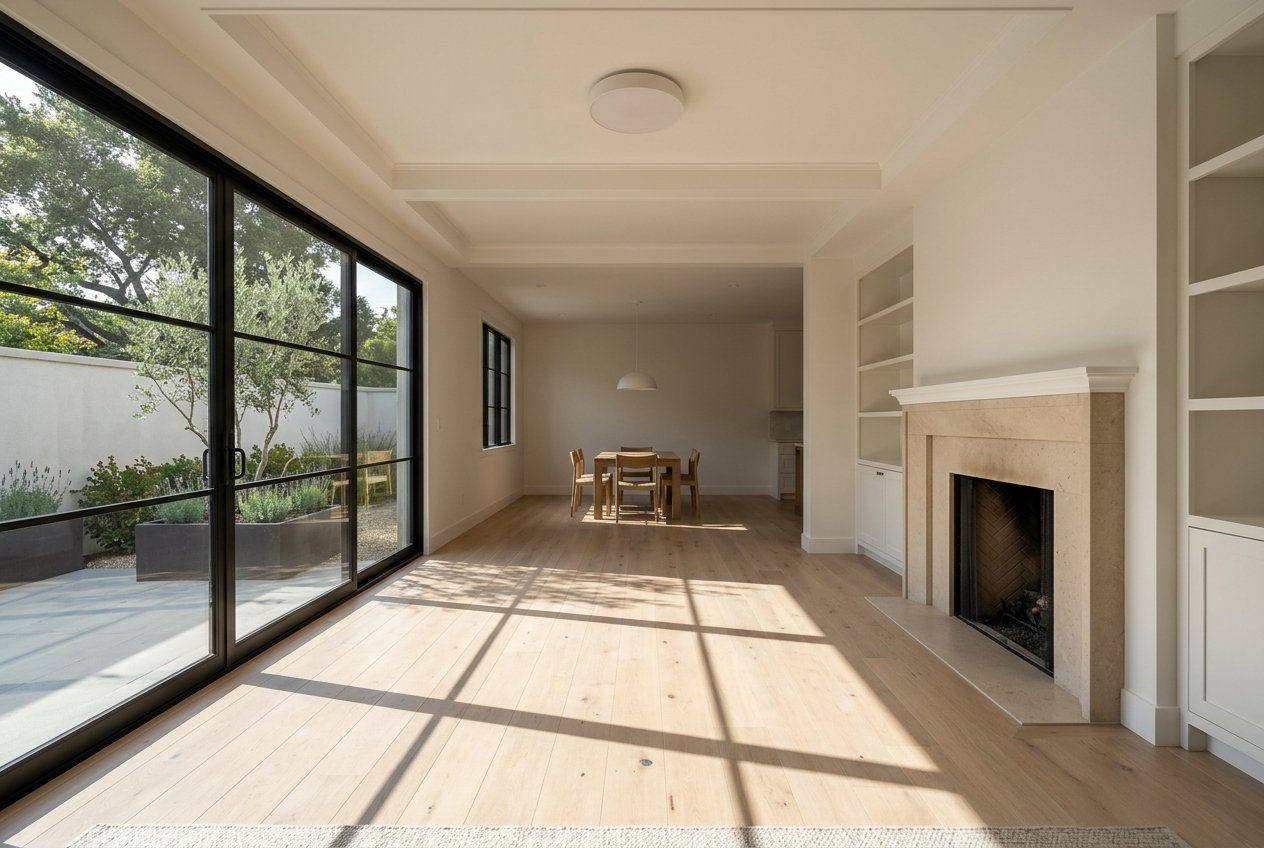
From San Francisco Condo To Palo Alto Home: How To Plan The Move
July 23, 2026
July 23, 2026
Moving from a San Francisco condo to a Palo Alto home sounds simple on paper, but the numbers and timing can make it one of the trickiest moves in the Bay Area. You may be trying to turn condo equity into a much higher home purchase while also keeping your schedule, financing, and stress level under control. The good news is that with the right plan, you can make the move with more clarity and fewer surprises. Let’s break down how to think about it.
One of the biggest planning issues is the gap between what you may sell and what you may need to buy. In June 2026, San Francisco condos and townhomes had a median sale price of $1.2 million, while Palo Alto single-family homes had a median sale price of $3.8 million.
That does not mean your sale and purchase will match those exact numbers, but it does show why this move usually takes more than just listing your condo and hoping for the best. In many cases, your condo proceeds may need to be paired with financing to reach your target in Palo Alto.
Palo Alto’s market also tends to move fast. Single-family homes there had a median of 11 days on market and a 106% sale-to-list ratio, with only 23 active listings in the city snapshot.
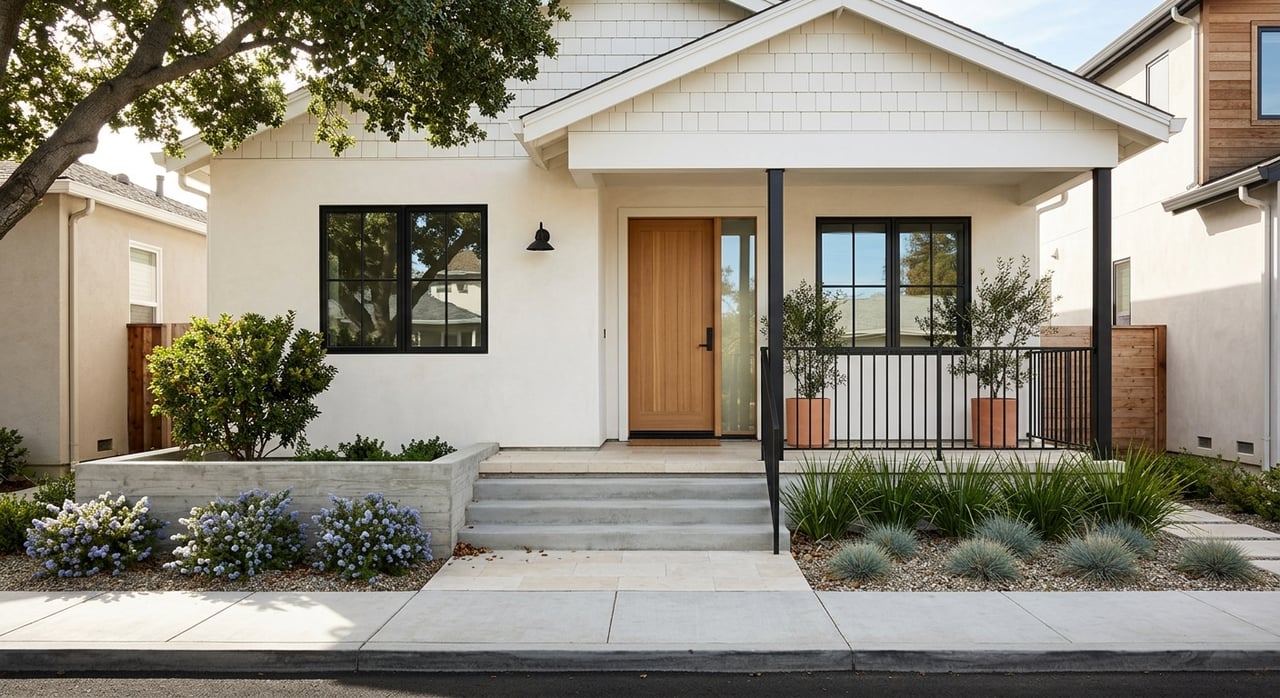
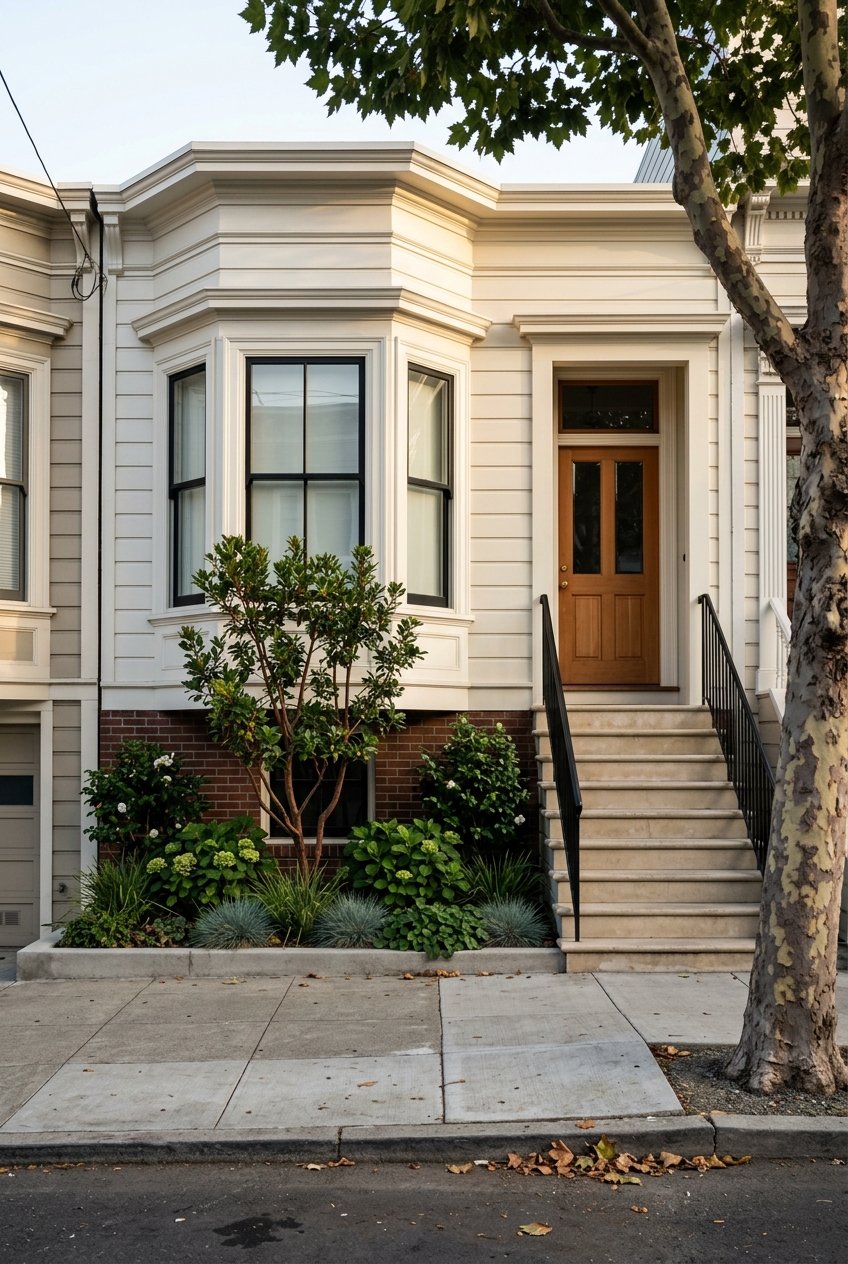
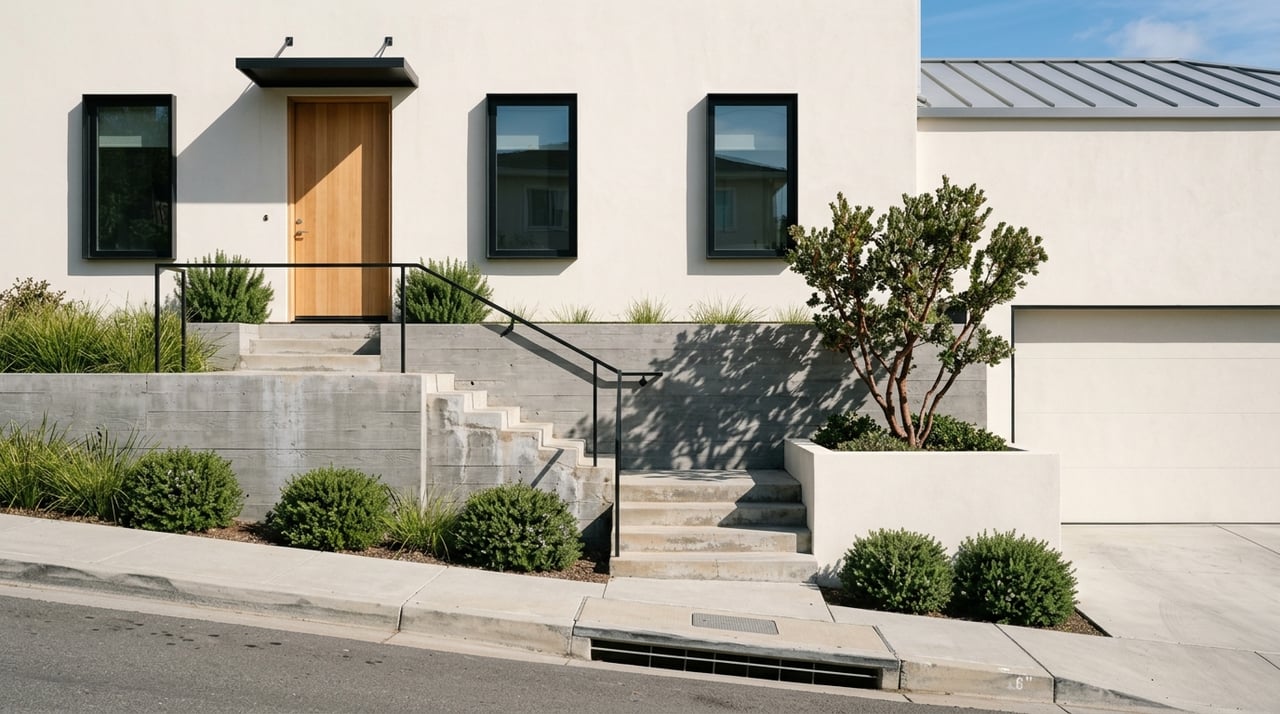
If you have been living in a condo, your next home search may feel very different. Palo Alto’s housing stock includes detached single-family homes, attached homes, and multifamily options, with detached homes making up the largest share.
For many buyers, the search centers on a detached house with more indoor space, a yard, or room to update over time. Others may prefer attached homes or properties that include an ADU or JADU, which are permitted in Palo Alto subject to city rules.
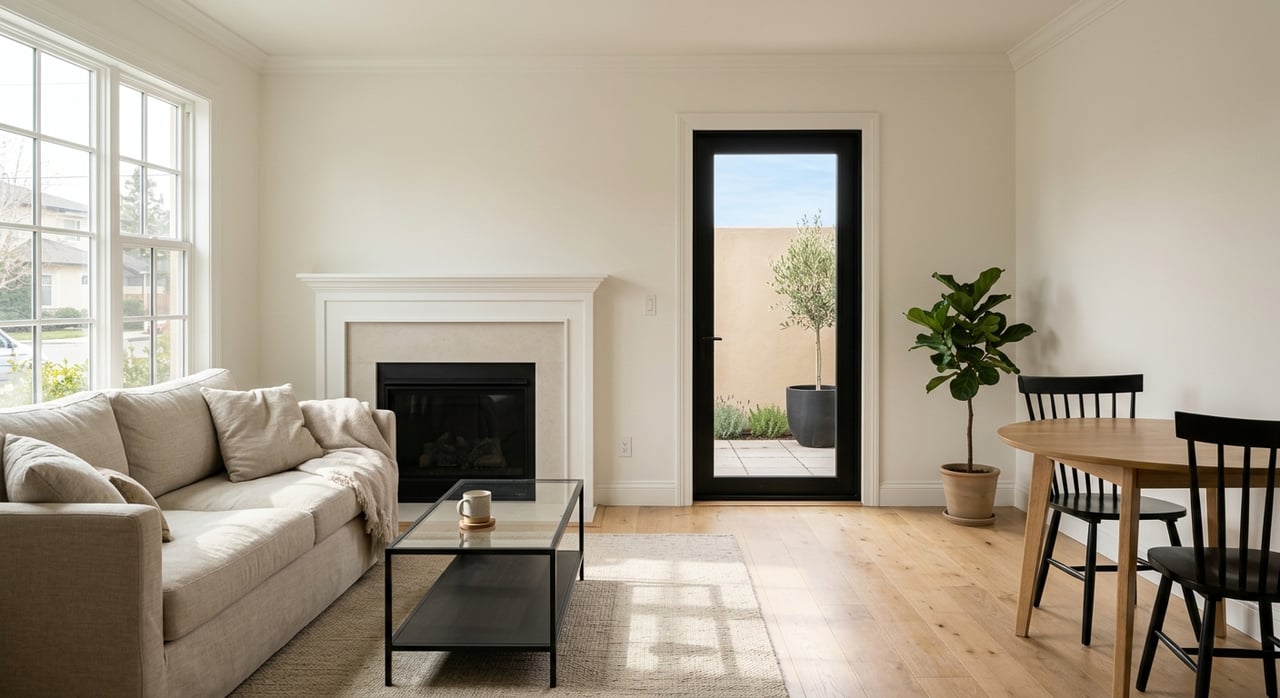
That matters because your move is not only about budget. It is also about deciding what kind of lifestyle change you want, how much maintenance you are comfortable with, and whether flexibility matters for guests, work space, or extended household needs.
The most important decision often comes before photos, staging, or touring homes. You need to decide how you want to sequence the sale of your San Francisco condo and the purchase of your Palo Alto home.
This choice affects your certainty, your cash flow, and your ability to compete. Because Palo Alto homes can move quickly and often trade above list price, waiting to think through timing until after your condo hits the market can leave you scrambling.
A sell-first strategy gives you the clearest picture of your available equity. Once your condo closes, you know exactly how much cash you can apply toward your Palo Alto purchase.
This can make budgeting simpler and reduce the risk of carrying two homes at once. It may also strengthen your confidence when you write offers because you are working from real numbers, not estimates.
The tradeoff is timing. If your condo closes before you secure your next home, you may need a temporary place to live or a negotiated rent-back arrangement.
A buy-first strategy can help you avoid moving twice and may give you more control over your landing spot. This approach usually requires overlap financing, since you are buying before your current condo has sold.
A temporary bridge loan is generally defined as a loan with a term of 12 months or less when a borrower plans to sell a current home within 12 months. If you are considering this route, the financing conversation needs to happen early.
The upside is flexibility during your home search. The downside is higher carrying costs and more moving parts.
A third path is making an offer with a home-sale or home-close contingency. This can help connect the two transactions when you do not want to sell too early or buy too early.
The challenge is that sellers may continue showing the property while your contingency remains in place. In a fast Palo Alto market, that can make a contingency-based offer less competitive depending on the property and the seller’s goals.
Even with a strong plan, the two closings may not line up perfectly. That is why it helps to decide in advance what your backup housing option would be.
Common choices include:
Palo Alto’s housing ecosystem includes a significant renter population, with over 40% of households renting. That does not guarantee a simple short-term solution, but it does reinforce that rental housing is part of the local landscape.
A backup plan gives you room to make better decisions. It can also reduce the pressure to rush into the wrong purchase just to avoid a short-term inconvenience.
When people think about this move, they often focus on sale price and mortgage payment first. Those matter, but your usable equity can also be affected by transfer tax, property taxes, and transaction costs.
If you are selling in San Francisco, the city’s transfer tax is seller-paid and tiered by sale price. For sales from $1 million to under $5 million, the current rate shown by the city is 0.750%.
On the Palo Alto purchase side, Santa Clara County states that Proposition 13 limits the countywide base property tax rate to 1% of assessed value, plus voter-approved debt. That makes your purchase price important not just for your down payment, but also for your future carrying costs.
For some homeowners age 55 or older, severely and permanently disabled persons, and qualifying wildfire or disaster victims, California Proposition 19 may allow a base-year value transfer to a replacement primary residence purchased or newly constructed within two years of the original sale, subject to value and filing rules.
These details can materially affect how much condo equity you can put toward your next home. Reviewing them early helps you avoid building your plan around a number that turns out to be too optimistic.
Palo Alto’s single-family inventory is limited, and homes often move quickly. With only 0.5 months of inventory in the city snapshot, buyers usually benefit from being precise about priorities before they begin touring seriously.
That means separating your must-haves from your nice-to-haves. You may need to decide whether lot size matters more than commute, whether remodel potential matters more than turnkey condition, or whether an attached home could make more sense than stretching for a detached house.
Palo Alto also has an attached-home market, with a median sale price of $1.5625 million and 20 median days on market in the same snapshot. For some buyers, that can be a smart middle step between a San Francisco condo and a detached Peninsula home.
A calmer move usually comes from breaking the process into phases rather than trying to solve everything at once.
Start with your likely condo sale range, estimated seller costs, and the financing needed for your Palo Alto target. This gives you a working purchase range that reflects reality.
Decide whether you will sell first, buy first, or pursue a contingency strategy. Your comfort with risk, cash flow, and temporary housing will help shape this choice.
Decide whether you are focused on a detached house, attached home, or a property with ADU potential. This keeps your search aligned with your budget and goals.
Because Palo Alto homes can move in about 11 days, be ready before the right listing appears. That means having your decision-makers aligned and your financing path understood.
Set up your fallback plan for any gap between closings. If you never need it, great. If you do, you will be glad it was part of the plan from day one.
This transition is different from a standard sale or a standard purchase. You are dealing with two connected markets, two property types, and one shared pool of equity that has to do a lot of work.
That is where experience on both sides matters. A condo in San Francisco has its own pricing and positioning logic, while a house search in Palo Alto requires a different strategy, pace, and product knowledge.
When your plan accounts for both sides together, you are in a much better position to move with confidence. If you are thinking about making the jump from city condo living to a Palo Alto home, Leslie Bauer can help you build a strategy that fits your timing, budget, and next chapter.
Stay up to date on the latest real estate trends.

Home Buying
Home Selling
With deep expertise in both high-rise living and single-family homes throughout San Francisco and the Peninsula, our team brings a sharp eye for detail and a thoughtful, data-driven approach—helping you navigate the market with clarity, uncover opportunities others miss, and secure the right property with confidence.
HIGHRISES2HOMES
[email protected]
(415) 205-3899
LESLIE BAUER | CA DRE# 01800943
SIDE, INC. | CA DRE# 02014153
629 DIVISADERO ST SAN FRANCISCO, CA 94117