Life Along The Panhandle: Condos, Flats, And Green Space
July 9, 2026
July 9, 2026
What if your next San Francisco home gave you both city convenience and a daily shortcut to green space? If you are drawn to walkable neighborhoods, classic housing stock, and easy access to parks, the Panhandle offers a very specific kind of lifestyle. Understanding how homes here differ, especially condos, flats, and multi-unit properties, can help you make a smarter move in a fast market. Let’s dive in.
The Panhandle is not just a nearby park. It is a three-quarter-mile-long, one-block-wide green corridor that connects directly to Golden Gate Park, creating an eastern gateway to one of San Francisco’s largest and most used park systems.
In everyday life, that means you can step out for a walk, bike ride, or quick outdoor break without needing to plan your whole day around it. The park includes walking and biking trails, basketball courts, a playground, and outdoor fitness equipment, while Golden Gate Park adds meadows, gardens, lakes, paths, and active recreation facilities.
Living along the Panhandle often means your routine extends beyond your front door. A morning run, an afternoon stroll, or an easy bike ride can become part of how you move through the neighborhood.
The surrounding built environment also supports day-to-day convenience. Nearby Haight Street developed as a commercial corridor with stores, groceries, repair shops, and movie theaters, and that legacy still helps explain why the area feels practical for errands and daily needs.
Redfin gives the Panhandle a Walk Score of 96, which supports what many buyers are looking for in San Francisco: the ability to get around on foot for a lot of everyday tasks. If you want a neighborhood where park access and city convenience sit side by side, this is a strong example.
One of the most important things to know about the Panhandle is that the housing stock is not one-size-fits-all. Buyers are likely to see a mix of condos, townhouses, and multi-family properties, with Redfin reporting 8 condos, 1 townhouse, and 1 multi-family unit for sale in the past month.
That small number says a lot. Inventory can be limited, and each listing may come with a very different ownership structure, layout, and long-term fit.
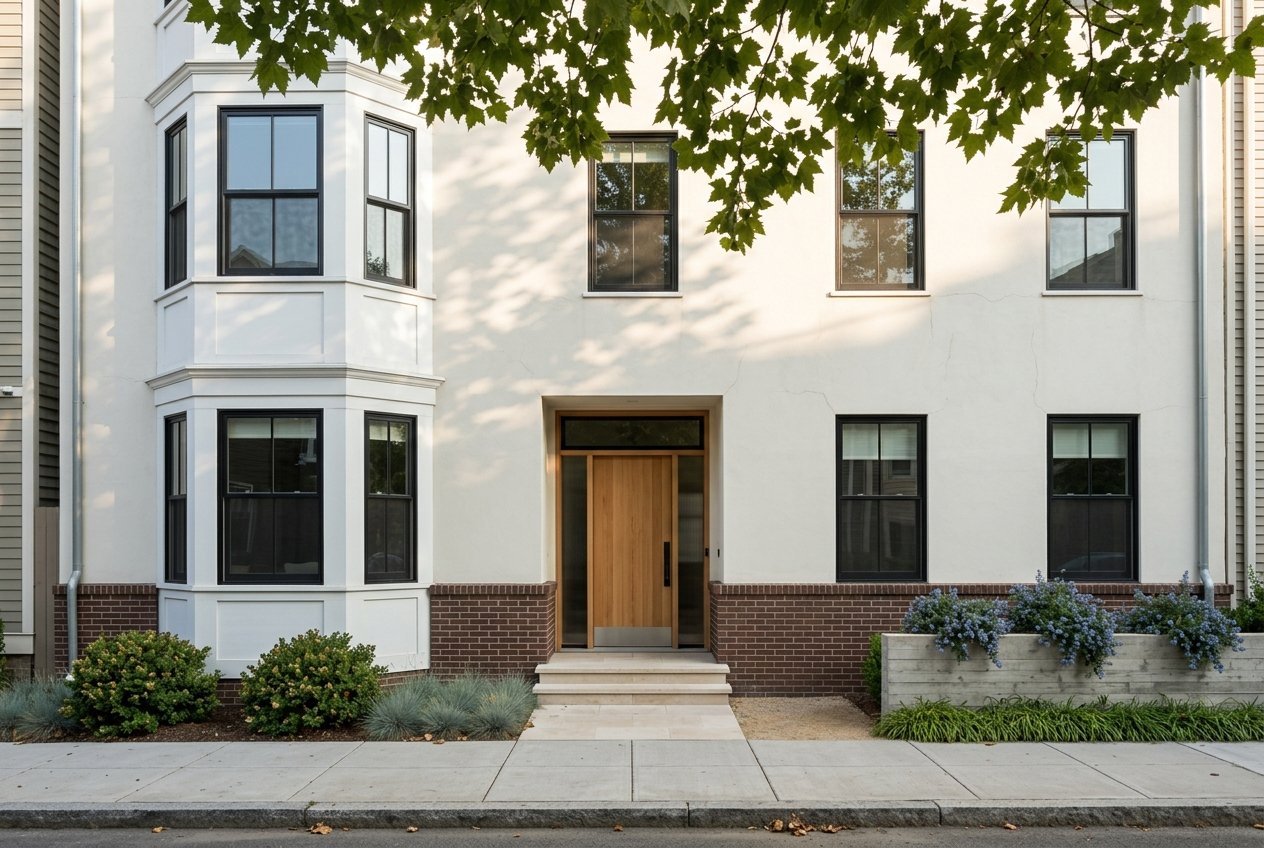
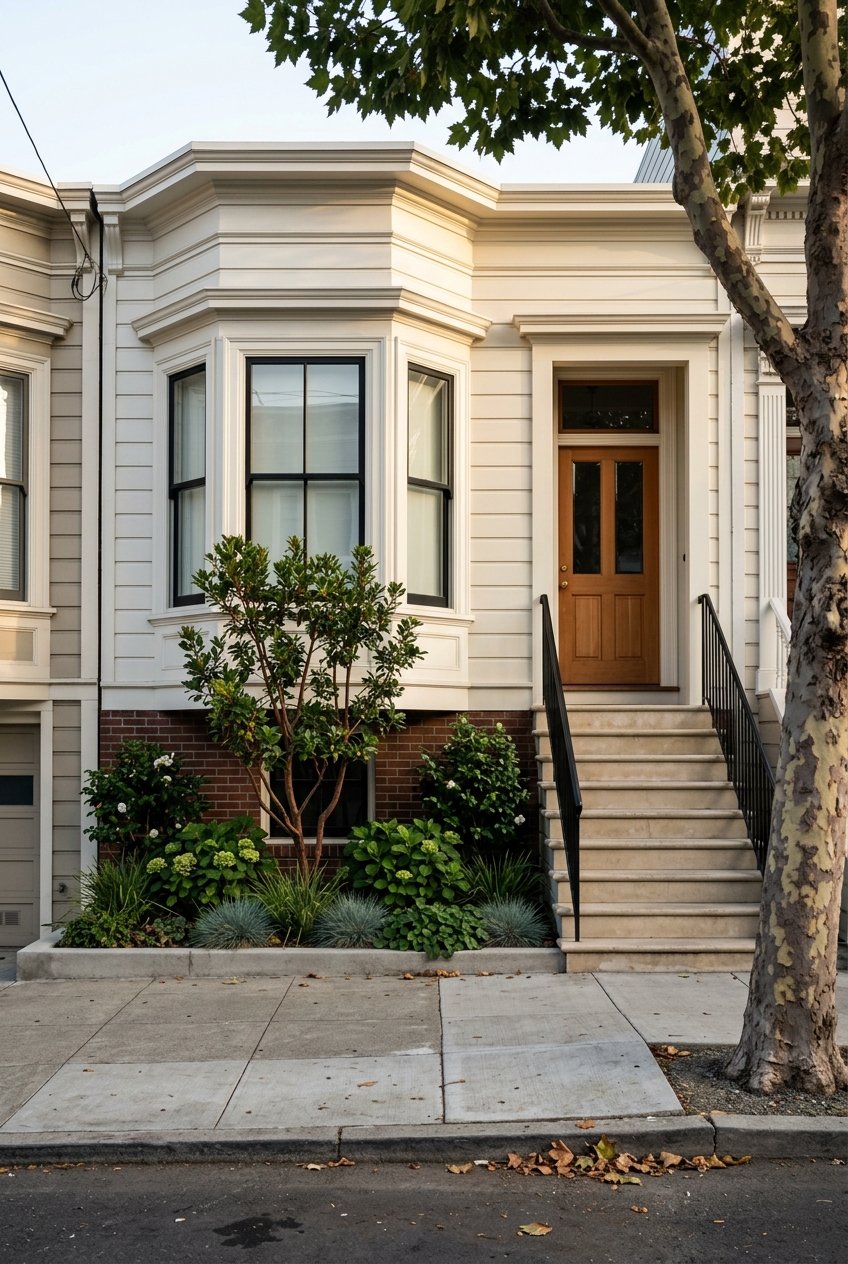
In nearby Haight-Ashbury, much of the residential architecture was built between 1890 and 1910 and is primarily Queen Anne Victorian. SF Heritage notes that flats and larger homes filled blocks south of the Panhandle, while early neighborhood businesses often occupied the ground floor with flats above.
For buyers, this older housing fabric can be part of the appeal. You may find period details, smaller-scale buildings, and homes with architectural character that feel very different from newer condo developments elsewhere in the city.
In the Panhandle, two homes that look similar from the street may function very differently from a financing and ownership standpoint. That is why it is so important to understand whether a property is a condominium, a tenancy-in-common interest, or part of a multi-unit building.
San Francisco Planning states that the city’s Condominium Conversion Program applies only to apartment buildings with six units or fewer. It also generally requires 50 percent or more of the units to be owner-occupied for three continuous years before entering the annual lottery, and that lottery is capped at 200 units per year.
The same city guidance notes that TICs and condos are underwritten differently, and that conversion is a multi-step process involving Planning, Public Works, and the Department of Building Inspection. In practical terms, that means older flats are not interchangeable, even when they appear similar in photos.
If you are shopping here, one of the first questions to ask is not just about finishes or square footage. It is whether the ownership form matches your goals for financing, resale, and future flexibility.
When you tour a Panhandle-area property, it helps to look beyond the surface. A polished kitchen or well-staged living room matters, but so do the building basics and the legal structure behind the home.
Here are a few practical points to review early:
This is where local product knowledge really matters. In a neighborhood with older flats and limited inventory, the details can shape both your buying strategy and your long-term comfort with the property.
The Panhandle lifestyle is closely tied to movement. If you like neighborhoods where walking and biking feel natural, this area has strong fundamentals.
SFMTA describes the Panhandle shared-use path as a high-quality off-street path, though it can be crowded at peak times. Its Oak Street Quick-Build materials say the project is designed to improve safety and access for people walking and bicycling, create a protected eastbound bikeway connection to JFK Promenade and the Wiggle, and improve access to the Panhandle path.
That matters because the Panhandle is not just scenic. It is part of a broader active transportation network that connects daily life, recreation, and cross-city movement.
Another SFMTA document describes the JFK Drive Promenade as a car-free space. For many buyers, that adds another layer of value to living near the Panhandle because it expands the amount of nearby outdoor space that feels welcoming for walking, biking, and time outside.
The Panhandle also sits in a transit-rich part of the city. Nearby Muni options include the 5 Fulton, which runs 24 hours daily, the 43 Masonic and 7 Haight/Noriega, which run from 5 a.m. to midnight daily, the current 6 Hayes/Parnassus route, and the 37 Corbett.
These lines support access toward places like Civic Center, the Inner Sunset, Golden Gate Park, and Haight Ashbury. If you want flexibility in how you move around San Francisco, that transit access is an important part of the neighborhood story.
For some buyers, that may reduce the need to rely on a car for daily routines. For others, it simply adds convenience and optionality, which can be just as valuable.
If the Panhandle sounds appealing, it is worth knowing that the market here moves quickly. As of May 2026, the median sale price was $2,049,311, up 36.1 percent year over year.
Homes sold in an average of 19 days, the sale-to-list ratio was 125.2 percent, and 85.5 percent of homes sold above list price. Those figures point to a very competitive environment where buyers need to be prepared.
Inventory also stays tight. In the past month, there were only 8 condos and 1 multi-family unit listed, which reinforces how limited and specific the local supply can be.
The Panhandle sits within a wider San Francisco condo market that has also seen strong pricing. Citywide, San Francisco’s median home sale price was $1.7 million over the three months ending May 2026, and Redfin reported condo prices rose 24.4 percent year over year in March 2026.
At the same time, Redfin’s citywide condo snapshot showed 382 condos for sale at a median listing price of $994,000. That broader context can be useful when you compare Panhandle inventory with other parts of the city.
What makes the Panhandle different is not just price. It is the combination of limited supply, classic building stock, strong walkability, transit access, and immediate connection to green space.
If you want a neighborhood where park access shapes your daily life, the Panhandle offers a rare mix of urban living and outdoor convenience. It can be especially appealing if you value architectural character, walkability, and the ability to move around the city without depending entirely on a car.
At the same time, this is a market where details matter. The difference between a condo, a TIC, and a multi-unit property is not just technical. It can affect your financing path, resale strategy, and comfort level with the purchase.
That is why buyers here benefit from clear, building-specific guidance. In a small, competitive pocket of San Francisco, the right fit is about more than finding an available listing. It is about understanding exactly what you are buying and how it supports the way you want to live.
If you are considering a move near the Panhandle or comparing San Francisco condo options, Leslie Bauer can help you evaluate the details, understand the local inventory, and move forward with clarity.
Stay up to date on the latest real estate trends.

Home Buying
Home Selling
With deep expertise in both high-rise living and single-family homes throughout San Francisco and the Peninsula, our team brings a sharp eye for detail and a thoughtful, data-driven approach—helping you navigate the market with clarity, uncover opportunities others miss, and secure the right property with confidence.
HIGHRISES2HOMES
[email protected]
(415) 205-3899
LESLIE BAUER | CA DRE# 01800943
SIDE, INC. | CA DRE# 02014153
629 DIVISADERO ST SAN FRANCISCO, CA 94117