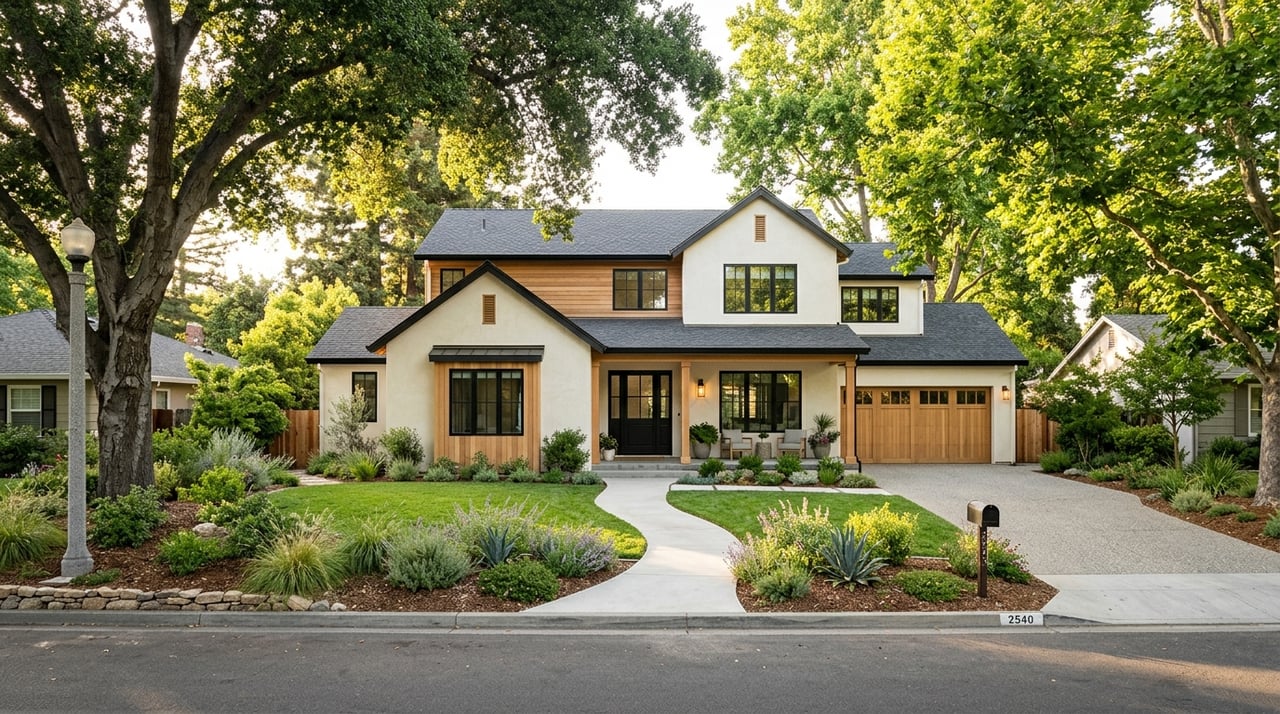
Understanding Menlo Park Micro-Markets As A Move-Up Buyer
July 16, 2026
July 16, 2026
Thinking about moving up in Menlo Park? The tricky part is that there is no single “Menlo Park market.” What you can buy, how fast homes move, and what kind of tradeoffs you will make can shift from one neighborhood to the next. If you want more space without losing sight of long-term fit, this guide will help you read Menlo Park’s micro-markets more clearly. Let’s dive in.
Menlo Park is a neighborhood-by-neighborhood market, not a one-size-fits-all search. City planning documents identify principal residential areas including Downtown, Allied Arts/Stanford Park, Bayfront, Belle Haven, Flood Triangle, Central Menlo, Felton Gables, Linfield Oaks, Sharon Heights, Suburban Park, Lorelei Manor, and The Willows.
That matters because the city includes a wide range of housing types, from detached homes and duplexes to apartments and condominiums. Single-family neighborhoods make up more than two-thirds of residential land, but the housing mix and parcel patterns still vary a lot by area.
For a move-up buyer, that means your next step is not just increasing your budget. It is figuring out which combination of lot size, home style, street feel, and future flexibility fits your goals.
Menlo Park neighborhood data does not line up neatly with census tracts. The city’s own profile maps split some areas further, including The Willows, Allied Arts/Stanford Park, West Menlo, and Bayfront, to better match tract-level analysis.
In plain English, neighborhood stats can be helpful, but they are not always precise. When a micro-market has only a small number of sales, median price or days on market can move quickly and may be best used as directional signals rather than firm rules.
This is especially important when you are comparing two neighborhoods that look similar on paper. A move-up search usually benefits from reading the numbers alongside the actual housing stock and parcel characteristics.
Across Menlo Park, the market remains competitive. Over the most recent three months, Redfin reported a citywide median sale price of $3.29 million, about 4 offers per home, 13 days on market, a 104.1% sale-to-list ratio, and 55.8% of homes sold above list.
That kind of market rewards buyers who compare more than one headline number. Instead of focusing only on median price, it helps to look at several data points together:
When you put those together, you get a more realistic view of value. Two homes with similar prices can offer very different long-term options depending on the lot and zoning.
Downtown Menlo Park centers on Santa Cruz Avenue and includes a mix of low-rise commercial buildings with surrounding single-family and multi-family residential buildings. The architecture spans much of the 20th century and the early 21st century, which gives the area a varied housing feel.
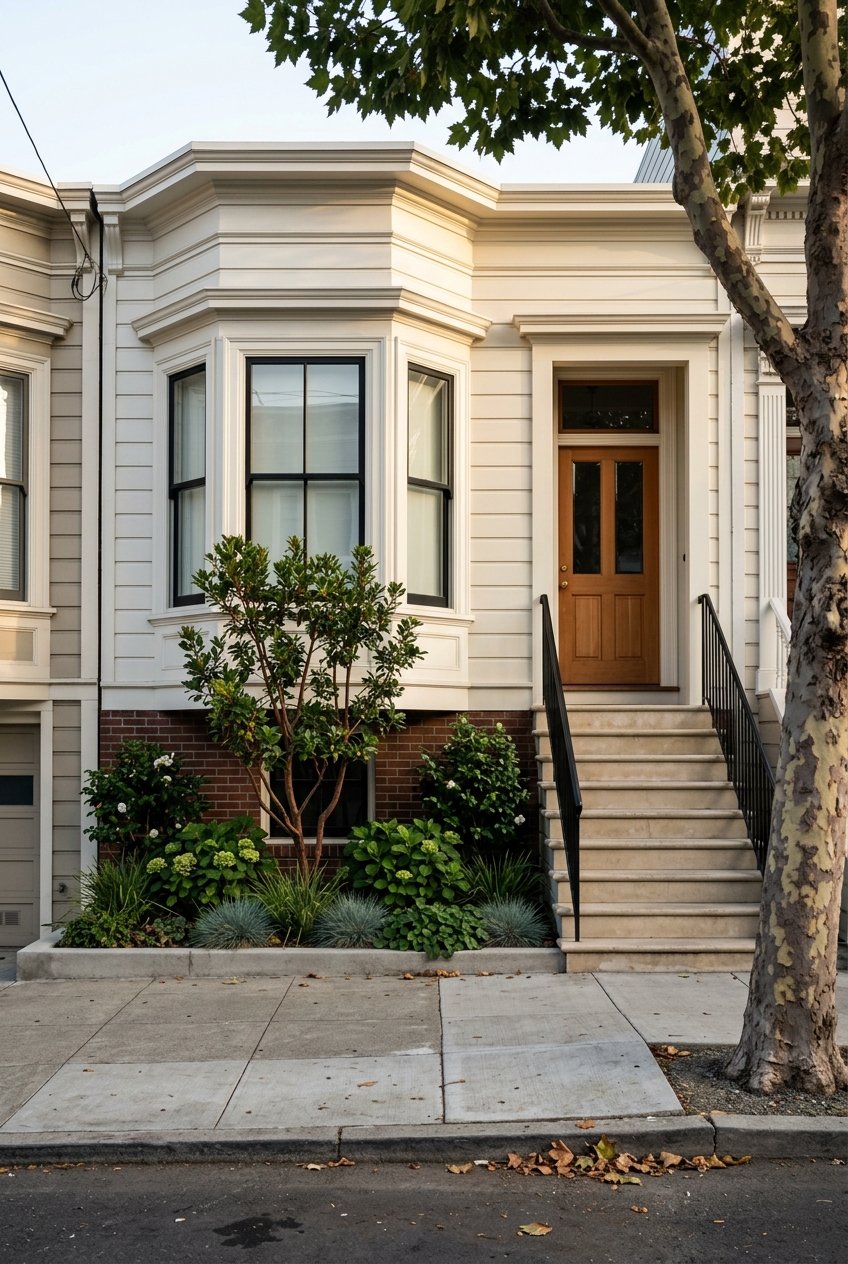
Nearby Allied Arts/Stanford Park is one of Menlo Park’s older neighborhoods. The city describes it as a grid of blocks with mature trees, small older residences, long narrow medium-sized parcels, and primarily one- to two-story single-family homes, with commercial and multi-family frontage along El Camino Real.
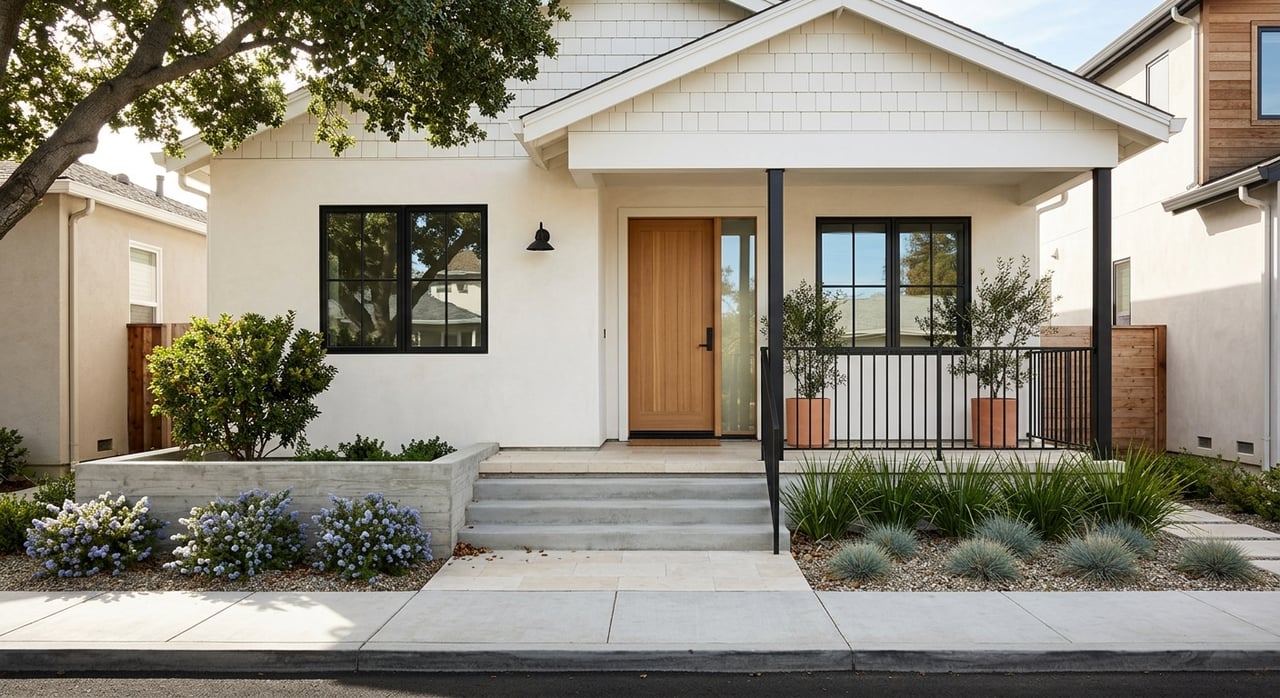
Central Menlo, just southwest of Downtown and Allied Arts, is dominated by one- and two-story ranch-style single-family homes and was almost completely built out by 1956. For move-up buyers, that can make it feel more established and more predictable in housing form.
Recent market data shows how different these nearby areas can be. Over the last three months ending May 2026, Redfin reported a median sale price of $2.8 million in Downtown Menlo Park, $2.65 million in Central Menlo, and $5.8 million in Allied Arts.
Allied Arts also posted a lower median sale price per square foot than Downtown or Central Menlo. That suggests larger, higher-value homes and lots may be influencing the neighborhood median more than simple square-foot pricing alone, though that is only an inference from the data.
If you want to stay close to the energy of town, these neighborhoods may be worth a close look. They can appeal to buyers who value convenience, an established street grid, and housing with more historic variety.
The tradeoff is that “close in” does not always mean straightforward. Older homes, varied parcel shapes, and mixed-use edges can create more differences from block to block.
If your move-up goal is a quieter street or a more residential rhythm, Menlo Park has several pockets that may feel distinct from the downtown-adjacent areas. These neighborhoods often offer a different mix of home age, style, and street pattern.
The Willows is described by the city as a neighborhood of single-family dwellings on typical suburban-sized lots, with quiet residential streets and a housing mix that ranges from early-20th-century bungalows and period-revival homes to post-war ranch houses. That kind of variety can appeal to buyers who want character without giving up a neighborhood feel.
Linfield Oaks is primarily a mid-19th-century residential neighborhood with both single- and multi-family buildings, with nonresidential uses concentrated along Middlefield Road. Flood Triangle, Suburban Park, and Lorelei Manor include both single- and multi-family homes from the early- to mid-20th century, with Ranch and Minimal Traditional styles.
Felton Gables is a smaller pocket north of downtown where most homes date to the 1930s through 1950s and are Ranch or Cottage style. For a move-up buyer, that can mean a more defined architectural character in a compact area.
Recent Redfin data also shows these neighborhoods do not all move in sync. The Willows posted a $3.65 million median sale price and 10 days on market, Linfield Oaks showed $2.8 million and 16 days, Park Forest-Spruce-San Antonio showed $2.7 million and 36 days, and Downtown showed $2.8 million and 16 days.
Some of those sales windows were very thin, including only one sale in Linfield Oaks and two in Park Forest-Spruce-San Antonio. So again, the right approach is to use the numbers as signals, then verify fit at the property and block level.
Sharon Heights is a mid-20th-century neighborhood at the southwestern end of Menlo Park with both single- and multi-family homes, mostly from the 1960s. The area also includes the Sharon Heights Golf and Country Club and commercial and office uses along Sand Hill Road.
Over the last three months, Redfin showed Sharon Heights with a $2.27 million median sale price, 20 days on market, and a 99.0% sale-to-list ratio. For some move-up buyers, that may place it in a different value conversation than the higher-priced pockets closer to downtown.
Belle Haven presents a different type of micro-market. The city describes it as a 1940s and 1950s residential neighborhood northeast of US-101, where most single-family homes are single-story wood-frame Minimal Traditional or Ranch style, while Willow Road functions as a commercial and multifamily corridor.
These areas also highlight a key point for buyers: not every micro-market story is just about current pricing. The city’s housing work points to mixed-use residential opportunities along Willow Road, Middlefield Road, Sharon Park Drive, Sand Hill Road, and parts of the office district south of US-101, while some residential pockets are more clearly positioned to remain classic neighborhood settings.
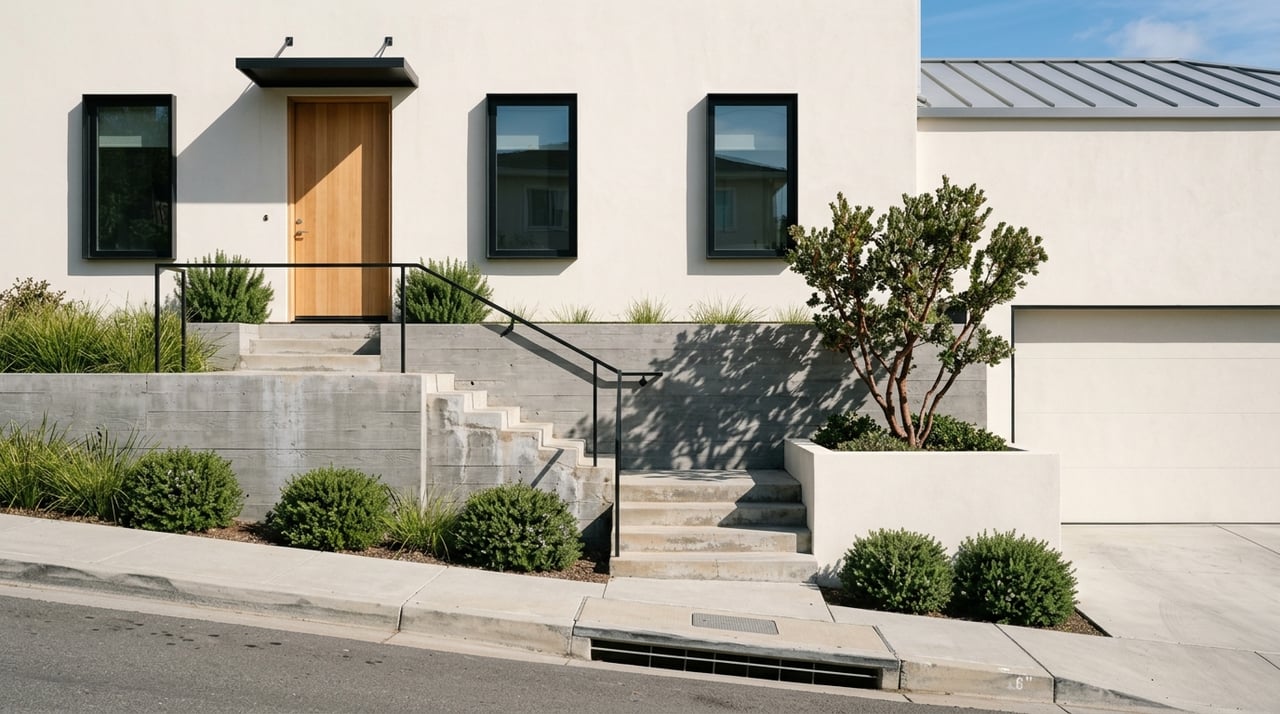
For move-up buyers, square footage is only part of the picture. Menlo Park’s GIS viewer can provide approximate lot size data, and the city’s zoning code ties some floor-area limits to lot area.
That means lot size may directly affect what is possible with a property over time. It can shape not just the home you buy today, but also your renovation or expansion options later.
The city’s 2023 to 2031 Housing Element removed a 10,000-square-foot minimum lot size requirement for some R-3 parcels around downtown and supports up to 30 dwelling units per acre in certain downtown-adjacent areas. You do not need to become a zoning expert, but you do want to know when parcel rules could influence value, use, or future flexibility.
Before you fall in love with a home, it helps to ask:
These questions can be especially useful if you are moving from a San Francisco condo or a smaller home and want your next purchase to work harder for you over time.
The best Menlo Park neighborhood for you may not be the one with the lowest median price or the fastest sales. For a move-up buyer, the smarter question is usually which tradeoff matches your priorities.
You might be deciding between:
That is where micro-market knowledge becomes practical. Once you know your priorities, you can filter Menlo Park more effectively and avoid comparing homes that are technically in the same city but function very differently in daily life.
A calm, detailed approach matters here. Looking at pricing, lot size, housing stock, and pace of sale together can help you make a move that feels right both now and later.
If you are weighing a move from San Francisco or another Peninsula home into Menlo Park, Leslie Bauer can help you narrow the right neighborhood tradeoffs and search with more clarity.
Stay up to date on the latest real estate trends.

Home Buying
Home Selling
With deep expertise in both high-rise living and single-family homes throughout San Francisco and the Peninsula, our team brings a sharp eye for detail and a thoughtful, data-driven approach—helping you navigate the market with clarity, uncover opportunities others miss, and secure the right property with confidence.
HIGHRISES2HOMES
[email protected]
(415) 205-3899
LESLIE BAUER | CA DRE# 01800943
SIDE, INC. | CA DRE# 02014153
629 DIVISADERO ST SAN FRANCISCO, CA 94117